

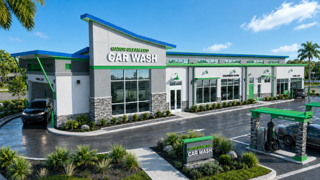
When construction started at 455 Lake Clay Drive South, people noticed.
The property sits in one of the more visible spots in Lake Placid, near U.S. 27 and Lake Clay. That was enough to get people talking. Some questioned the location. Some asked how the town could allow a car wash there. Others wanted to know whether anything could still be done. The short answer is this: the property is zoned C-1 commercial, the land was purchased July 26, 2024, and an Environmental Resource Permit was issued April 22, 2025.
In other words, this is not a case of a business sneaking in through the back door. It is a commercial project on commercially zoned property.
But that does not mean residents’ questions came out of nowhere. Lake Placid is still a small town. People notice what gets built, especially when it is built in a prominent location. A car wash is not the kind of project that quietly appears without conversation.
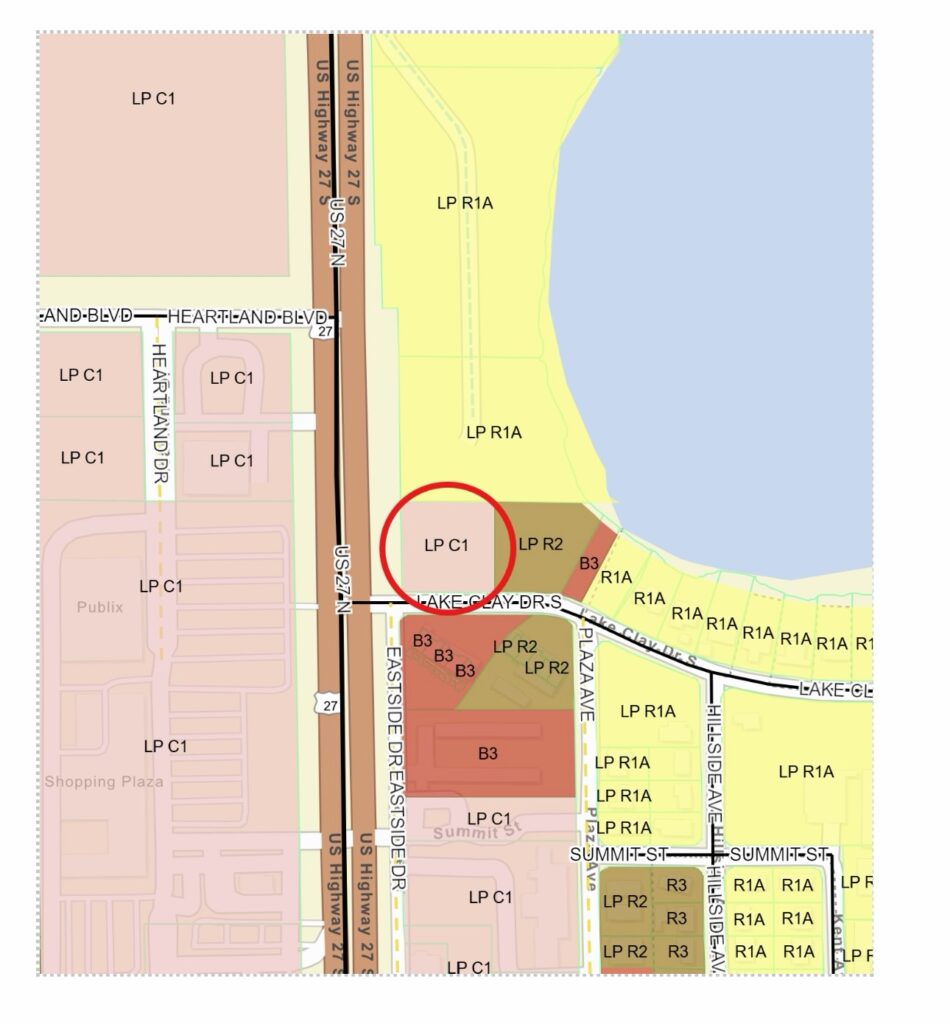
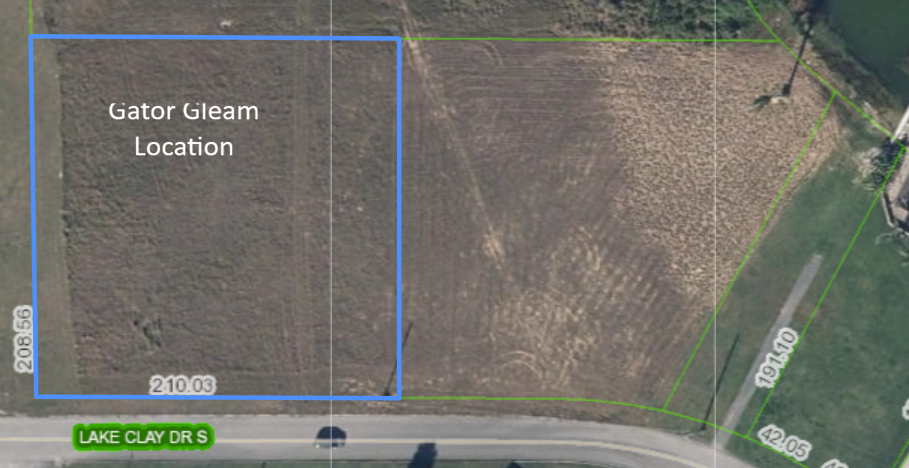
For Joel Gravina, owner of Gator Gleam Eco-Wash, that conversation matters. Gravina and his wife are part-time Lake Placid residents and have a home on Lake Placid. He grew up in a small town in Pennsylvania, and he said he understands why people react strongly to growth and change. He also said this project is not a franchise and not an out-of-town business with no connection to the community. He and his family plan to be part of Lake Placid. Why this location? There was no other property zoned C1 available within the town of Lake Placid on US 27 when he purchased this site.
The idea for Gator Gleam Eco-Wash, Gravina said, came partly from learning more about water quality. After becoming aware of algae blooms and the role runoff, phosphates, soaps and other materials can play in water issues, he began looking at the car wash industry differently. A professionally operated car wash, he said, could be a better alternative than washing cars at home, where water and soap often run down driveways, into streets, and eventually into the watershed. He and his wife became so interested, they attended Car Wash College.
The U.S. Environmental Protection Agency gives similar guidance. In its recommendations for reducing nutrient pollution at home, the EPA advises people to use phosphate-free soaps and detergents, use water efficiently, and wash cars on lawns or at commercial car washes.
Gravina said Gator Gleam was designed around that idea.
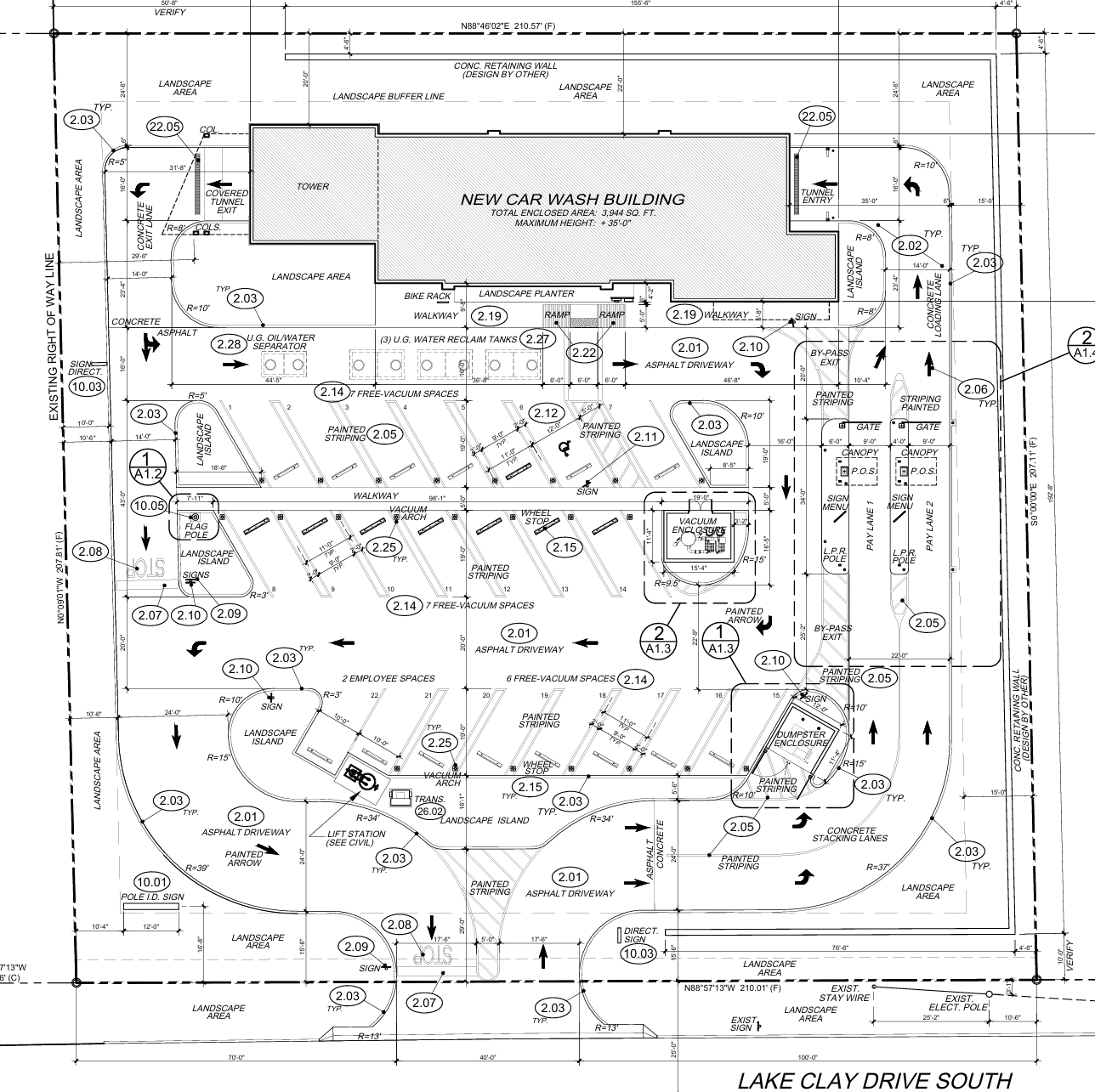
According to Gravina, no car wash water should leave the property, ensuring waste does not flow into the lake. The facility will use built-in troughs around the wash area to capture water and prevent runoff. The site is also being built with permeable concrete. The wash system uses a three-tank reclaim process. Gravina said about 80 gallons of water are used to wash a vehicle, and about 65 gallons are recycled through the system. Fresh water is used only for the rinse portion of the wash to help create a spot-free finish.
The soaps used at the car wash contain no phosphates, he said, and the materials are biodegradable.
Gravina compared that with washing a vehicle at home, which he said can use roughly 130 to 150 gallons of water, with runoff leaving the property.
The business is expected to be open seven days a week, but not 24 hours. Gravina said the car wash will always be staffed when it is open and is expected to create seven to 10 jobs.
The layout was also planned with noise in mind. Gravina said the dryers are positioned toward U.S. 27 to reduce noise impact away from nearby properties.
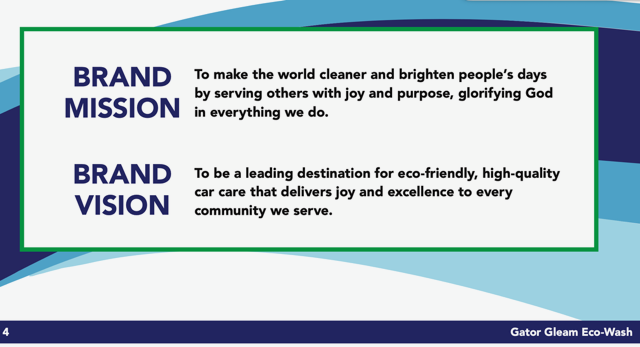
Gravina said he also wants Gator Gleam to work with local organizations. One example would be school or community car wash fundraisers held at the facility, allowing groups such as the Green Dragons to raise money while the wash water remains contained and processed through the car wash system. That is part of what he wants people to understand, he said. Gator Gleam is not just another car wash looking for a traffic count on U.S. 27. It is a business he hopes will become part of the community.
The projected opening is sometime in March.
The public reaction to the project is also part of the story. People are allowed to question development. They are allowed to care about what gets built in Lake Placid. They are allowed to worry about the look and feel of the town. At the same time, property owners also have rights. This parcel is commercially zoned. The project has gone through permitting. And Gravina said the business was designed with water protection, recycling and containment in mind.
For Lake Placid, Gator Gleam Eco-Wash sits at the intersection of several things residents care about: growth, private property rights, water quality, small-town character and what kind of development belongs along highly visible corridors. The car wash is coming. The larger conversation about growth in Lake Placid is not going away.