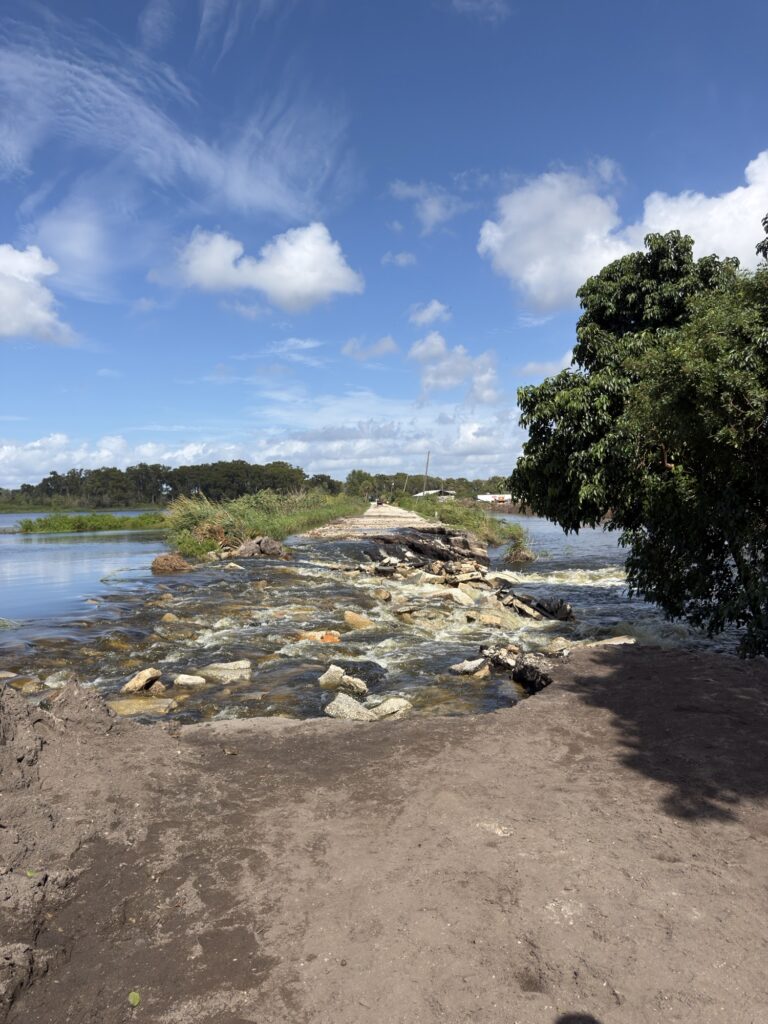
The historic rainfall that struck Highlands County November 1 and 2 created a difficult situation for the residents of Eagle’s Nest and the agricultural operations of Triton Farms. Both depend on a private access road that was washed out during the flooding, leaving the community and farm operations without dependable access.
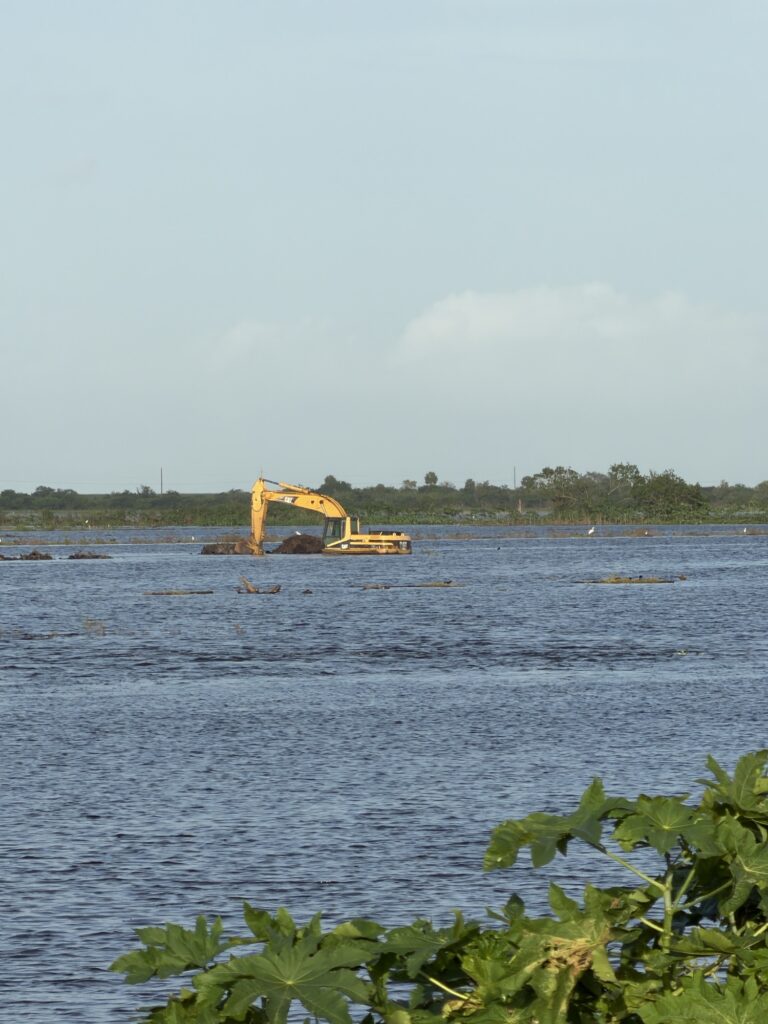
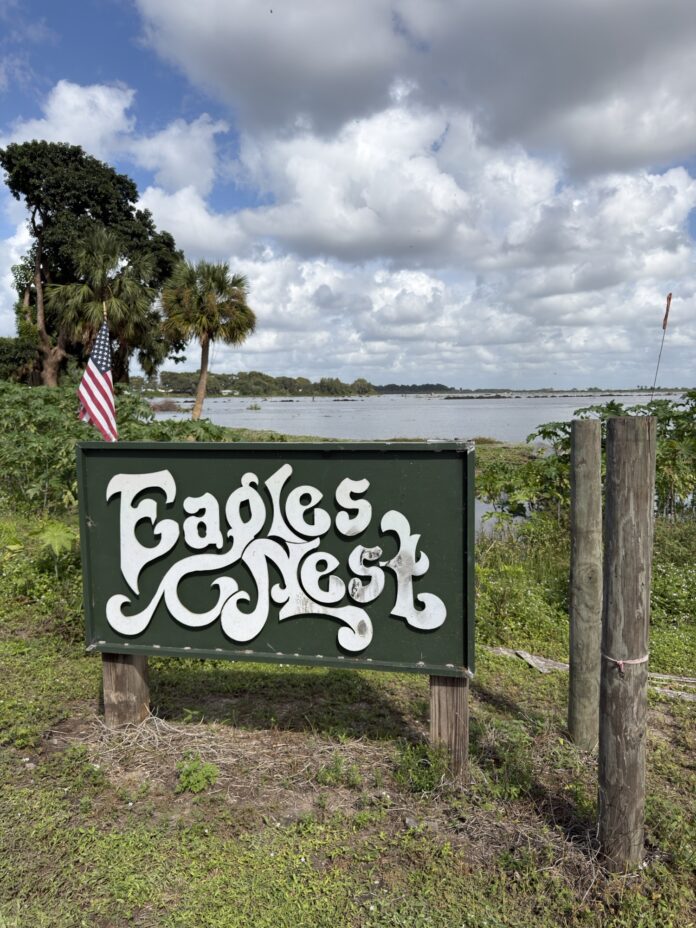
Eagle’s Nest is a 29-home residential subdivision located on a peninsula extending into Lake Istokpoga, east of Lake Placid. The community is accessed from County Road 621 by Abell Road, which also serves as an important access route for Triton Farms and its agricultural operations. The flooding involved more than rising lake water. A dike on adjoining agricultural property breached, allowing water to rush through and wash out a section of Abell Road. Water is also continuing to enter the affected area at multiple locations. With water still flowing through the area, the situation cannot be resolved simply by filling in the damaged roadway.
Attempts to restore access
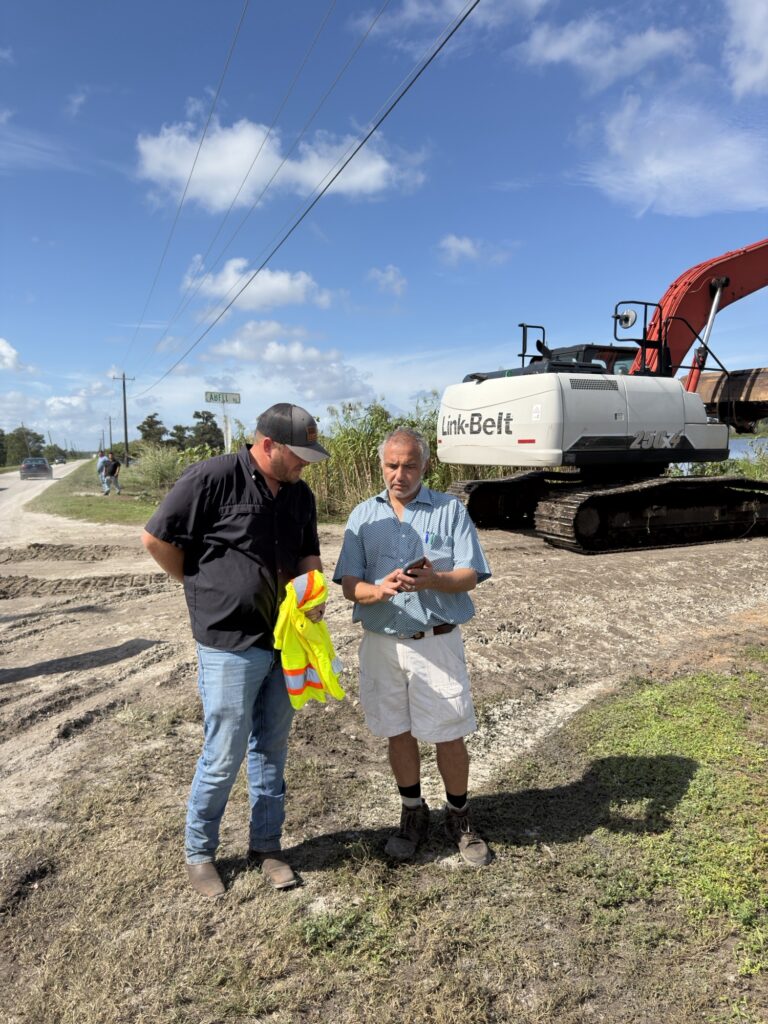
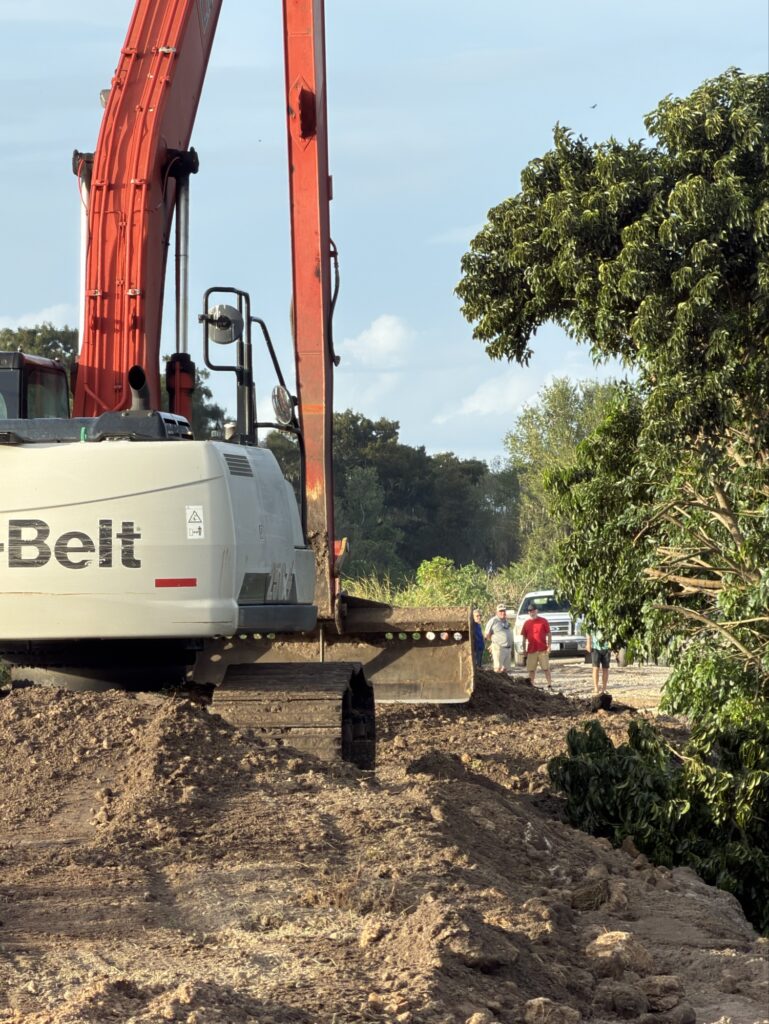
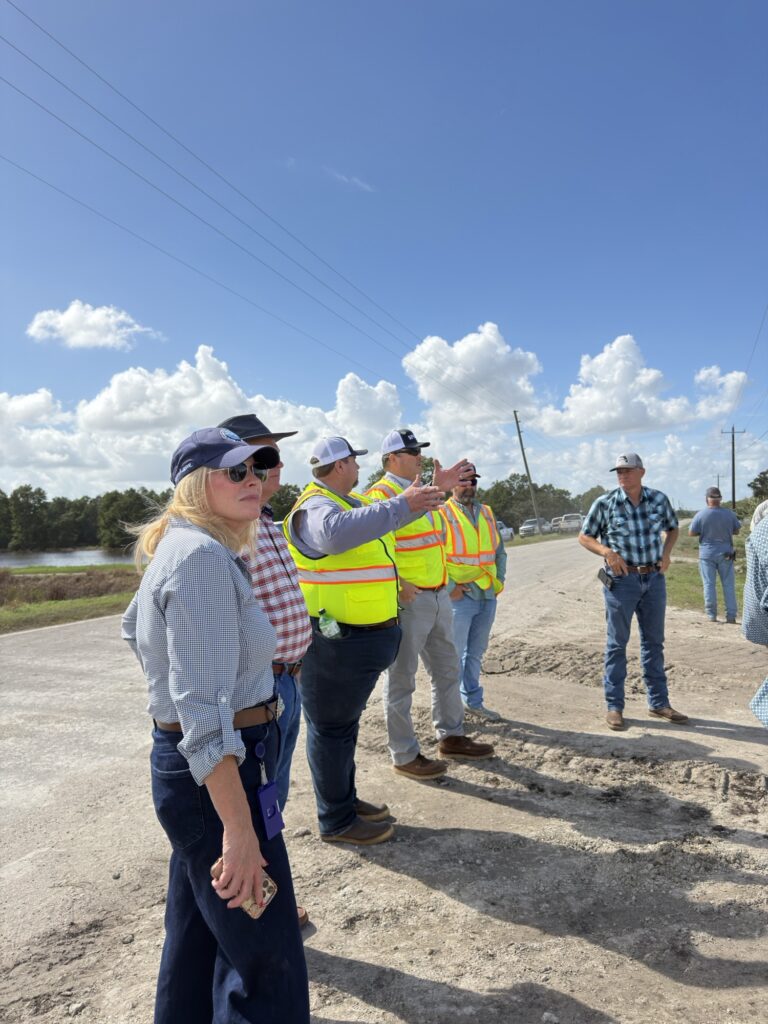
The first attempt to establish temporary access began Tuesday, after area residents requested Highlands County’s assistance in responding to the emergency. The county brought equipment and materials to the site in an effort to create a temporary crossing. There was hope that it would hold and provide residents with a way in and out of the community. It remained passable for approximately two hours before the force of the water overwhelmed the effort. During that brief period, residents had an opportunity to evacuate, although no one anticipated that the crossing would fail so quickly.
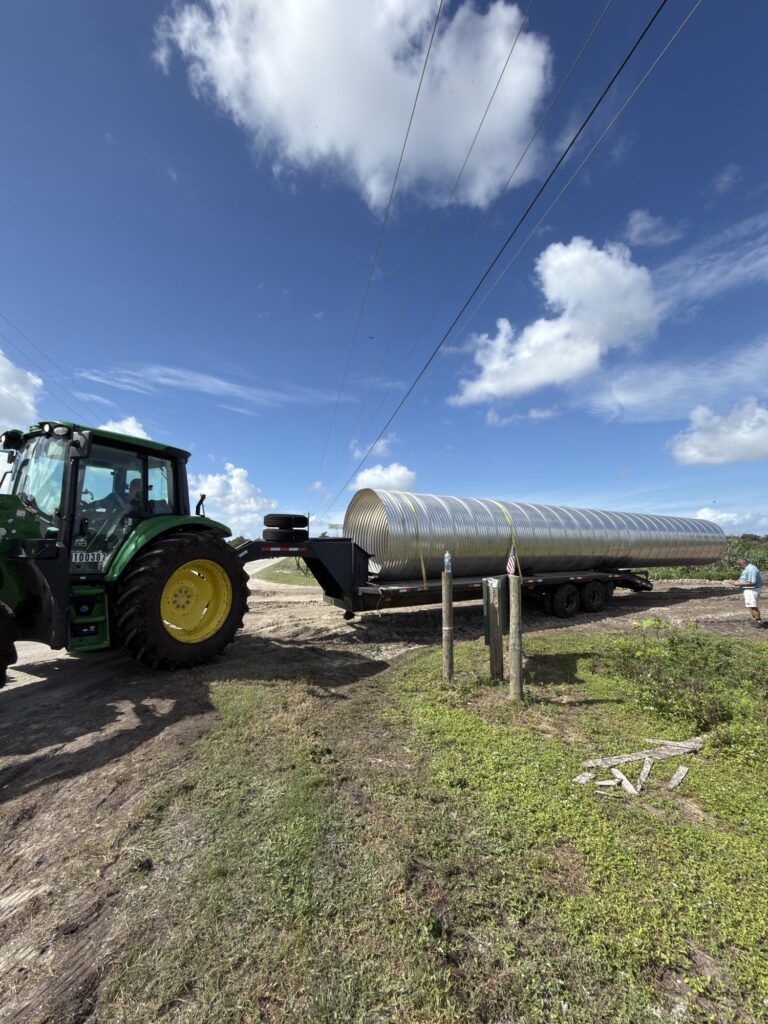
Over the next 48 hours, additional efforts were made, with materials supplied by Highlands County, private businesses and the South Florida Water Management District. Duda Sod provided a large culvert in an effort to help manage the water and make a temporary crossing possible. Despite those efforts, the water continued to flow too rapidly for a temporary road to hold. Concerns also developed that blocking or redirecting the flow could threaten County Road 621. Just before the South Florida Water Management District removed the temporary materials, residents were given another limited opportunity to evacuate.
With the temporary materials removed, water was allowed to continue flowing through the area. Water is still entering from multiple locations, and permanent road repairs cannot begin until Lake Istokpoga’s level drops enough for work to proceed. Until then, both Eagle’s Nest residents and Triton Farms remain without dependable access. The road closure has also affected utility service. Duke Energy disconnected electricity to the subdivision, and restoration cannot occur without access to the community.
At this time, fewer than 20 residents remain in Eagle’s Nest, while the majority of the community’s residents have evacuated.
Other farms affected
The flooding extended well beyond Eagle’s Nest and Triton Farms. Agricultural properties along that side of County Road 621, including Miller Farms and Reynolds Farms, were also affected. Caladium growers in the area sustained flooding as well. Large areas of farmland have been inundated, with major losses reported across agricultural operations.
The private road and the road ahead
The history of Abell Road adds another dimension to the situation. Recorded documents show that the road was vacated by Highlands County and that a perpetual, nonexclusive access easement was granted to the Lake Placid Eagle’s Nest Homeowner’s Association in 1995. A separate agreement addresses agricultural access, including vehicle travel and the harvesting of citrus. Today, the road serves both the residential subdivision and Triton Farms. Its loss creates challenges for homeowners who need access to their properties and for an agricultural business that relies on the road to reach its operations.
The immediate priority is waiting for the water to recede enough to make repairs possible. After that, the HOA, homeowners and those who depend on the road will face the practical and financial questions involved in restoring it. Emergency assistance has helped with the initial efforts, but the cost and responsibility for permanent repairs remain to be addressed.
The flooding has also raised concerns among some residents about how decisions were made while water continued moving through the area and agricultural properties were affected. Those concerns reflect the difficult circumstances facing the neighborhood, but the immediate challenge remains finding a workable way to restore access.
For now, both Eagle’s Nest and Triton Farms are waiting for Lake Istokpoga’s water level to fall so that access can be restored and permanent repairs can begin. The situation also raises broader questions about the role of county government and state agencies when a natural disaster affects a private road serving an entire residential community and an agricultural operation. What assistance can public agencies provide during an emergency, where do their responsibilities begin and end, and how can homeowners, property owners and government work through the recovery when access is lost? Finding those answers will be an important part of moving forward.