Growth is not free.
That is the plain-language issue behind Highlands County’s new impact fee study. The county is growing, more houses are being built, and public services have to keep up. Roads, fire rescue, EMS, law enforcement, parks, libraries and public buildings all cost money.
The question is who pays.
Highlands County is looking at whether new development should pay more of the cost it creates through impact fees. These are fees generally charged when new construction is permitted. They are not charged to someone just because they already own a home. That matters for Lake Placid residents, because this issue can get misunderstood quickly. If you already own a home, this is not a new bill being sent to you. It does not directly raise your property taxes. And it is not a Town of Lake Placid fee.
It is a county fee.
Just as important: the Town of Lake Placid does not simply receive this money.
Please provide your
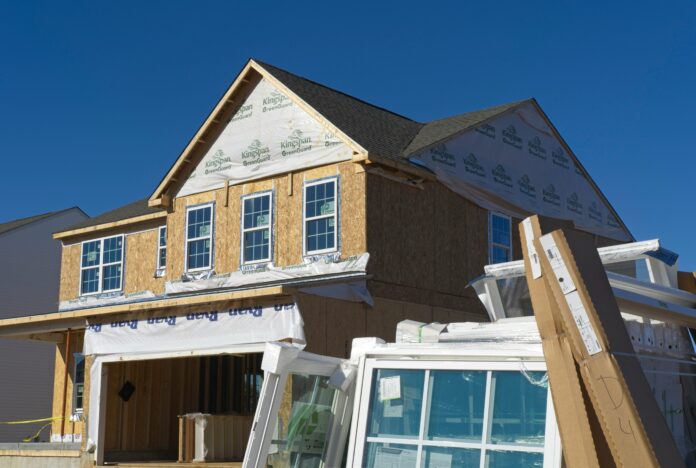
That is the part local residents need to understand before the conversation turns into another round of vague arguments about growth, taxes and development. According to the county’s draft impact fee study, Highlands County issued 255 new home permits in 2019. By 2025, that number had climbed to 770. That is a major increase. And whether someone supports growth, opposes growth or is somewhere in the middle, the practical reality is the same: more homes mean more demand on public services.
More people use roads. More people call emergency services. More people use parks, libraries and county facilities. Growth may expand the tax base over time, but it also creates upfront costs.
Impact fees are one way local governments try to deal with that gap.
Why this is coming up now
Highlands County has had impact fees suspended for years.
At the same time, Florida law has tightened the rules on impact fees. Local governments now have to be careful about how fees are calculated, how often they are raised and how closely the fee is tied to the actual cost created by new growth.
In other words, the county cannot just pick a number because it sounds good.
It needs a study. It needs data. It needs a legal connection between the fee and the facilities being funded.
That is what this draft study is meant to provide.
What the numbers look like
For a single-family detached home between 1,500 and 2,499 square feet, the study calculates a total impact fee of $16,133 under the “all roads” transportation option.
Under the “county roads only” option, the total is $9,147.
Those totals include more than transportation. The study also looks at fire rescue, EMS, law enforcement, correctional facilities, general government buildings, libraries, parks and environmentally sensitive lands.
That is not pocket change. For a builder or homebuyer, it is a real added cost.
But for current residents, the other side of the question is just as real: if new development does not pay these costs through impact fees, where does the money come from? Because the cost does not disappear.
The Lake Placid piece
This is where the issue becomes more local.
Lake Placid residents live in the county. They use county services. They travel county roads. They rely on county emergency services. So county growth policy matters here.
But the Town of Lake Placid is not the collector of this money.
The county study identifies benefit districts for certain categories, including transportation and parks. Lake Placid is part of the south benefit district. That means some collected fees would have to be connected to the area where growth creates the demand. But that still does not mean the Town gets a check.
Impact fee money is restricted. It has to be used for eligible capital needs tied to growth. It is not general spending money. It is not a replacement for the Town’s budget. It is not automatically available for Lake Placid town projects. So when Lake Placid residents hear “impact fees,” the right question is not just, “Will this cost more?”
The better question is:
If growth is happening in and around Lake Placid, how will the county make sure this area receives its fair share of the infrastructure and services needed to handle it?
That is the part worth watching.
What this means for existing homeowners
For existing homeowners, impact fees do not directly apply unless they are building something new that triggers the fee. So no, this is not a direct tax increase on current Lake Placid homeowners.
But indirectly, the issue still matters.
If the county adopts impact fees, some future growth costs may shift toward new development. If the county does not adopt them, those costs may have to be handled through other county funding sources. That can eventually affect everyone. This is why the debate should not be reduced to “pro-growth” versus “anti-growth.” That is too easy and not very useful.
The real issue is whether Highlands County is going to require new development to help pay for the additional public facilities it requires — and whether communities like Lake Placid will see the benefit when growth pressure lands here.
The decision is still ahead
The study does not make the final decision. County commissioners still have options.
They can adopt the calculated fees, adopt lower fees, phase them in, choose only certain categories or continue looking at other ways to pay for growth. But Lake Placid residents should pay attention before the decision is made, not after. Because growth may be countywide on paper, but the effects are local. And if Lake Placid is going to absorb more growth, more traffic, more service demand and more pressure on public facilities, then residents deserve a clear answer to one basic question:
Who pays for that — and what does Lake Placid actually get in return?